Juneteenth Black History Embroidery
Celebrating cultural heritage through creative expression has become a powerful way to honor history, identity, and community. Among the most significant ways artisans and creators are marking this time is through Juneteenth Black History Embroidery. This vibrant multi-format embroidery design does more than simply decorate fabric; it serves as a wearable or displayable testament to resilience, freedom, and pride. For business owners, crafters, and hobbyists alike, integrating such meaningful designs into products offers a unique opportunity to connect with audiences on an emotional and historical level.
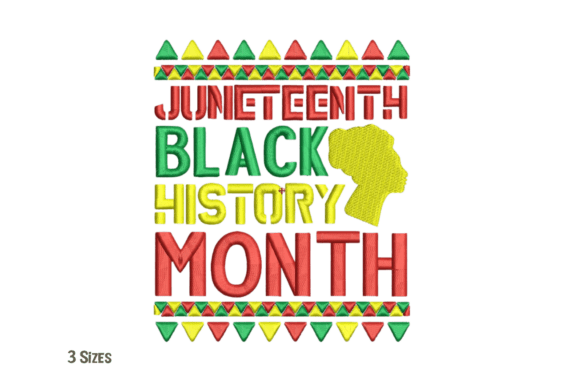
The core of this project lies in its ability to merge aesthetic appeal with profound symbolic weight. Featuring bold lettering and a carefully curated palette of red, green, and yellow patterns, the design captures the visual language of Pan-Africanism and African American heritage. When paired with a striking silhouette profile, the result is a piece that commands attention while inviting reflection. Whether you are looking to add a unique touch to pillows, t-shirts, towels, hoodies, or various home decor items, understanding how to effectively utilize this machine embroidery design can elevate your crafting projects from simple crafts to meaningful tributes.
Understanding the Symbolism and Design Elements
To truly appreciate the value of Juneteenth Black History Embroidery, one must first understand the components that make up its visual narrative. The design is not merely decorative; every color and shape chosen carries specific cultural significance. The inclusion of red, green, and yellow is intentional. These colors often resonate with the broader movement for African liberation and pride. Red can symbolize the blood shed by ancestors in the struggle for freedom, green represents the lush land of Africa and hope for the future, and yellow stands for the wealth and sunshine of the continent.
Beyond the color scheme, the silhouette profile adds a human element to the design. Silhouettes have long been used in art to represent dignity and universality, allowing viewers to project their own stories onto the figure. In the context of Juneteenth, which commemorates the end of slavery in the United States, this profile becomes a representation of those who were freed and those who continue to fight for equality. The bold lettering anchors the design, ensuring that the message is clear and unambiguous. Together, these elements create a cohesive visual statement that reflects pride and cultural significance.
For creators, recognizing these details is crucial. It transforms the act of stitching from a mechanical process into a respectful homage. When you engage with the design files, you are engaging with a story. This awareness enhances the quality of the final product, as the maker’s intent aligns with the designer’s vision. It ensures that the finished item—whether it is a hoodie worn at a celebration or a towel displayed in a home—carries the appropriate weight and respect for the occasion.
Technical Versatility and Format Compatibility
One of the primary advantages of this particular design is its technical flexibility. In the world of machine embroidery, compatibility can often be a barrier for small business owners or hobbyists who may own different types of machines. However, this design comes with multiple embroidery file formats, making it accessible to a wide range of users. Whether you are using a Brother, Janome, Singer, Bernina, or Husqvarna Viking machine, there is likely a compatible file included in the package.
This multi-format approach eliminates the need for costly conversion software or third-party services. It allows creators to focus on what matters most: the execution of the design. The files are optimized for clarity and precision, ensuring that the bold lettering remains sharp and the intricate patterns do not lose detail when stitched. For professionals producing bulk orders, this consistency is vital. It reduces waste and ensures that every item leaving the workshop meets high-quality standards.
Furthermore, the digital nature of these files means they can be easily stored, organized, and reused. Unlike physical stencils or pre-printed fabrics, embroidery files offer infinite reproducibility. A creator can stitch the same Juneteenth Black History Embroidery design on dozens of different garments without any loss of fidelity. This scalability makes it an attractive option for online sellers preparing for peak seasons like Black History Month or Juneteenth celebrations. It allows for efficient inventory management and rapid response to customer demand.
Practical Applications and Creative Uses
The versatility of this design extends across numerous product categories. While apparel is the most obvious choice, the applications are far broader. Consider the potential impact of featuring this design on home decor items. A pillowcase embroidered with the red, green, and yellow patterns can serve as a conversation starter in a living room, subtly educating guests about the significance of the holiday. Similarly, placing the design on kitchen towels or bath mats brings the spirit of celebration into everyday routines, reminding users of the importance of heritage and remembrance.
- Apparel: T-shirts and hoodies are popular choices for Juneteenth events. The durability of embroidery ensures that the design withstands washing and frequent wear, making it suitable for active participation in parades and gatherings.
- Home Decor: Pillows, wall hangings, and table runners allow for a more permanent display of pride. These items can be gifted to family members or sold in boutiques focusing on culturally significant goods.
- Accessories: Hats, bags, and tote bags offer smaller canvas options that are highly portable. They are ideal for promotional giveaways or personal use during travel.
- Gift Sets: Combining embroidered items with other culturally relevant products creates thoughtful gift bundles. For example, pairing an embroidered towel with a cookbook featuring African American cuisine adds layers of meaning to the present.
Real-world scenarios highlight the emotional resonance of these products. Imagine a grandmother gifting her grandchild a hoodie embroidered with the silhouette profile. The garment becomes a tangible link to their shared history, fostering a sense of belonging and continuity. Or consider a small business owner selling embroidered tote bags at a local market. Each sale supports not only the entrepreneur but also helps spread awareness of Juneteenth to a wider audience. These interactions demonstrate how practical crafting can drive social connection and education.
Evaluating Suitability and Best Practices
While the benefits of using Juneteenth Black History Embroidery are clear, it is important to approach the project with consideration and planning. Not all fabrics are created equal, and the success of the design depends heavily on proper material selection. Heavy-duty materials like denim or thick cotton blends provide excellent stability for complex designs, preventing puckering and distortion. Lighter fabrics may require stabilizers to maintain the integrity of the stitches, especially around the bold lettering areas.
Creators should also consider the size of the design relative to the product. A large, detailed embroidery may overwhelm a small accessory, while a tiny version might lose the impact of the symbolic colors. Experimenting with scale before committing to production runs is a wise strategy. Additionally, testing the thread tension and needle type on scrap fabric can prevent common issues like thread breaking or uneven stitching.
Another consideration is the target audience. If you are designing for a commercial market, understanding the cultural sensitivity surrounding Juneteenth is paramount. The design should be presented with respect and accuracy, avoiding trivialization or appropriation. Marketing materials should educate customers about the significance of the symbols rather than treating them as mere aesthetic trends. By prioritizing authenticity and respect, creators can build trust and loyalty within the community.
Conclusion
Incorporating Juneteenth Black History Embroidery into your projects is more than a creative endeavor; it is an act of preservation and celebration. The combination of bold visuals, symbolic colors, and technical versatility makes this design a valuable asset for anyone looking to honor African American heritage. Whether you are a seasoned professional or a beginner crafter, the ability to produce high-quality, meaningful pieces opens doors to new opportunities for expression and connection.
As we move forward, let us remember that every stitch tells a story. By choosing designs that reflect pride, resilience, and cultural significance, we contribute to a richer, more inclusive narrative. Explore the possibilities offered by this multi-format embroidery design, and create pieces that not only look beautiful but also carry the weight and warmth of history. In doing so, you honor the past while inspiring the future, one thread at a time.