Berber Art Geometric Motif 10: A Comprehensive Evaluation for Machine Embroidery Projects
In the realm of machine embroidery, designers and hobbyists are constantly seeking designs that offer a balance of aesthetic appeal, technical feasibility, and versatility. Among the trending options is Berber Art Geometric Motif 10, a design that draws significant inspiration from traditional Moroccan art, specifically the intricate tile work known as Zellige. This article provides an objective evaluation of this specific motif, exploring its characteristics, potential applications, and practical considerations to help you determine if it aligns with your current project needs.
Understanding Berber Art Geometric Motif 10
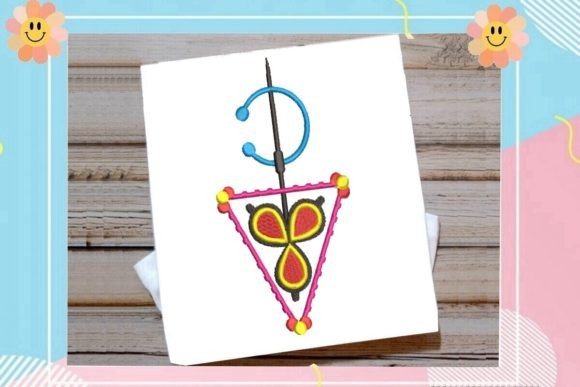
Berber Art Geometric Motif 10 is a machine embroidery pattern characterized by complex geometric shapes that form cohesive, repeating patterns. Unlike organic or floral motifs, this design relies on symmetry, angular precision, and structured repetition. The visual language of the design is deeply rooted in North African aesthetics, where such geometric complexity has been used for centuries in architecture, textiles, and ceramics.
The term "Zellige" refers to the mosaic art form found throughout Morocco, composed of individually hand-chiseled square tiles carved out of solid blocks of stone. While Berber Art Geometric Motif 10 does not replicate the physical texture of stone tiles, it captures the visual essence of these interlocking patterns through thread. The result is a design that appears charming and elegant, offering an exotic touch without requiring advanced free-motion skills. It is designed to be executed by standard computerized embroidery machines, making it accessible to a wide range of users.
Why Consider This Design?
When evaluating embroidery files, several factors influence a designer's choice. Here are the primary reasons individuals might find Berber Art Geometric Motif 10 appealing:
- Aesthetic Sophistication: The design adds a layer of cultural depth and visual interest that stands out against plain backgrounds. It transforms simple items into statement pieces.
- Geometric Precision: For those who enjoy the challenge of aligning complex patterns, this motif offers a satisfying structural integrity. The geometric nature ensures that the design remains crisp and defined.
- Versatility Across Media: As noted in product descriptions, this design is suitable for various applications, including t-shirts, cushion covers, home decor items, and accessories. Its scalability allows it to function well on both large and small surfaces.
- File Format Compatibility: The inclusion of multiple file formats suggests broad compatibility with different embroidery machine brands, reducing the barrier to entry for users with varying hardware.
Benefits and Practical Advantages
One of the strongest benefits of Berber Art Geometric Motif 10 is its ability to elevate everyday objects. When embroidered onto a neutral-colored cushion cover or a plain tote bag, the intricate geometry creates a focal point that feels curated and high-end. This makes it particularly attractive for crafters looking to create gift items or boutique-style products.
Furthermore, the structured nature of geometric designs often leads to consistent stitch quality. Because the pattern relies on straight lines and repetitive angles, there is less risk of the distortion that can sometimes occur with dense, curvilinear floral designs. This predictability can save time during the hooping and stabilization process, as the design’s boundaries are usually clear and predictable.
Tradeoffs and Considerations
While Berber Art Geometric Motif 10 offers many advantages, potential users should consider certain tradeoffs before purchasing or downloading the file.
Thread Consumption and Cost
Complex geometric patterns often require a significant amount of thread to fill the spaces between the shapes or to create the outlines. Depending on the density settings of your machine, this design may consume more thread than simpler motifs. Users should calculate their budget accordingly, especially if they plan to produce multiple units.
Stabilization Requirements
Geometric designs, particularly those with tight spacing, demand robust stabilization. If the fabric shifts during stitching, the symmetry of the Zellige-inspired pattern can become distorted, ruining the visual impact. Heavy-duty cut-away stabilizers are often recommended for this type of design to ensure the fabric remains taut and flat throughout the embroidery process.
Color Palette Limitations
To achieve the authentic look of Zellige, color placement is critical. The design may rely on contrasting colors to define the geometric boundaries. Using a single-color thread might flatten the design, losing the depth and intricacy intended by the artist. Therefore, users must be prepared to use multi-color setups or carefully select threads that provide sufficient contrast.
Situational Fit: When Is This Design Right for You?
Berber Art Geometric Motif 10 is a strong fit for the following scenarios:
- Home Decor Enthusiasts: If you are creating throw pillows, table runners, or wall hangings, this design adds an exotic, sophisticated touch that complements modern bohemian or minimalist interiors.
- Fashion Accessories: For embellishing denim jackets, canvas shoes, or tote bags, the geometric motif provides a trendy, artistic flair that appeals to contemporary fashion sensibilities.
- Beginner to Intermediate Embroiderers: Because the design is algorithmically generated and structurally sound, it is forgiving of minor tension issues compared to highly detailed realistic portraits. It serves as an excellent project for those comfortable with basic machine operations but eager to tackle more complex visuals.
When to Consider Alternatives
There are situations where Berber Art Geometric Motif 10 may not be the optimal choice:
- Small-Scale Applications: If you are embroidering on very small items, such as baby booties or small patches, the complexity of the geometric pattern may become too cluttered or lose definition. In such cases, simpler, smaller-scale motifs might yield better results.
- Soft, Draping Fabrics: Geometric designs hold their shape best on stable fabrics like cotton, linen, or denim. On soft, draping materials like silk or lightweight jersey, the rigidity of the geometric pattern may cause puckering unless extensive stabilizing techniques are employed.
- Monochromatic Projects: If you are restricted to using only one color of thread, the intricate details of this design may not stand out effectively. In these instances, a design with larger negative spaces or simpler line work would be more appropriate.
Decision-Making Insights
To determine if Berber Art Geometric Motif 10 is the right tool for your project, consider the following questions:
- What is the end-use of the item? Does the item require durability and structure (favoring this design) or softness and drape (potentially favoring alternatives)?
- Do you have access to varied thread colors? Can you source threads that provide the necessary contrast to highlight the geometric shapes?
- Is your machine capable of handling the file formats provided? Verify that your embroidery software supports the specific formats included in the download to avoid conversion errors.
- Are you prepared for the stabilization effort? Ensure you have the appropriate stabilizers on hand to prevent shifting during the stitching process.
In conclusion, Berber Art Geometric Motif 10 represents a compelling option for those looking to incorporate North African-inspired aesthetics into their machine embroidery projects. Its blend of cultural inspiration, geometric elegance, and versatility makes it a valuable addition to any digital library. However, success depends on proper material selection, adequate stabilization, and thoughtful color planning. By weighing these factors against your specific goals, you can make an informed decision that enhances both your creative output and the final quality of your embroidered goods.