Cute Easter Egg: A Comprehensive Evaluation of the Whimsical Typeface
The search for the perfect typography often hinges on capturing a specific mood or atmosphere. For designers and creators working on seasonal projects, particularly those centered around spring and celebration, finding a typeface that balances readability with distinct character is crucial. The Cute Easter Egg font has emerged as a notable option in this niche. It is not merely a standard decorative font but a whimsical and playful typeface that embodies the spirit of celebration and joy associated with the Easter holiday.
This article provides an objective evaluation of the Cute Easter Egg font, exploring its design characteristics, potential applications, and practical considerations. By understanding the nuances of this typeface, users can determine whether it aligns with their creative goals or if alternative options might serve their needs better.
Design Characteristics and Visual Identity
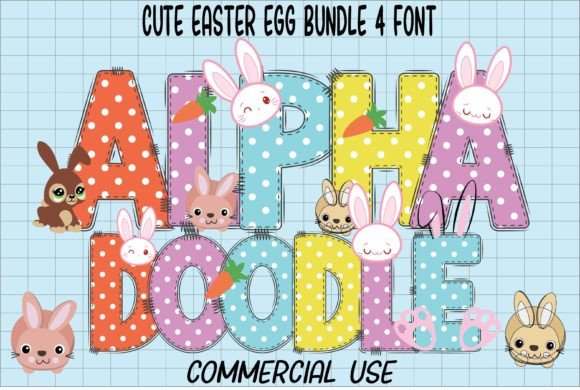
To evaluate any typeface effectively, one must first understand its visual language. The Cute Easter Egg font is characterized by its lively and creative design, featuring elements inspired by traditional Easter symbols such as eggs, bunnies, flowers, and pastel colors. This thematic integration is not superficial; it is woven into the structural integrity of the letterforms.
The letterforms are adorned with intricate patterns and details, resembling the decorative motifs found on hand-painted Easter eggs. Each letter seems to be crafted with care and attention, adding a festive and cheerful touch to any text it graces. This level of detail suggests that the font is designed to stand out, acting as a graphic element in itself rather than just a vehicle for text. The design captures the essence of the Easter season, making it a perfect choice for creating eye-catching and festive designs where immediate visual impact is desired.
Furthermore, the color palette of the Cute Easter Egg font is typically soft and pastel, reminiscent of the hues associated with springtime. These gentle colors contribute to the overall whimsy and charm of the font. In digital environments, this may require careful handling to ensure contrast and accessibility, but in print media, these hues evoke a sense of nostalgia and warmth. The combination of shape and color makes the font well-suited for a variety of Easter-themed projects, such as greeting cards, party invitations, and festive banners.
Practical Applications and Use Cases
Understanding where a font fits within a project lifecycle is essential for effective selection. Whether used in digital or print media, the Cute Easter Egg font brings a sense of fun and celebration to any project. Its lively and creative design makes it an ideal choice for conveying the joyful and festive atmosphere of spring events.
Ideal Scenarios
- Greeting Cards and Invitations: The intricate details and playful nature of the font make it exceptionally suitable for personal correspondence. It adds a handcrafted feel to digital or printed invites, enhancing the emotional connection with the recipient.
- Social Media Graphics: For brands or individuals looking to engage audiences during the Easter season, this font offers high visual appeal. It works well on Instagram stories, Facebook posts, and Pinterest pins where static images need to capture attention quickly.
- Festive Banners and Posters: When used for headlines or large-scale displays, the font’s unique shapes can serve as the primary visual hook. It is effective for community event announcements, church bulletin covers, or local business promotions.
- Product Packaging: Small businesses selling handmade goods, chocolates, or crafts can use this font to create cohesive branding that resonates with the seasonal theme without appearing generic.
Limited Scenarios
While the font excels in celebratory contexts, it is important to recognize its limitations. The intricate details and decorative nature mean that it may not be suitable for body text. Long passages of text set in Cute Easter Egg can become difficult to read, leading to user fatigue. Additionally, the whimsical style may clash with professional or corporate communications that require a tone of seriousness or neutrality.
Benefits and Tradeoffs
Evaluating a typeface involves weighing its advantages against its potential drawbacks. The Cute Easter Egg font offers several distinct benefits, but these come with specific tradeoffs that designers must consider.
Benefits
- Strong Thematic Alignment: The font immediately communicates the Easter or spring theme, reducing the need for additional graphical elements to convey the message.
- Emotional Resonance: The playful design evokes feelings of joy and nostalgia, which can enhance the viewer's positive association with the content.
- Visual Distinctiveness: In a crowded digital landscape, the unique letterforms help content stand out from more conventional sans-serif or serif fonts.
Tradeoffs and Considerations
- Readability Constraints: As noted, the font is best suited for short phrases, titles, or headers. Using it for extended text requires significant design adjustments, such as increasing line height or reducing font size, which may compromise legibility.
- Seasonal Limitation: The font is highly specific to Easter and spring themes. It lacks versatility for year-round use, meaning it will likely sit unused for much of the calendar year unless repurposed for other spring-related events like Mother’s Day or graduation parties.
- Accessibility Challenges: The intricate patterns and potentially low-contrast pastel colors may pose challenges for users with visual impairments. Designers must ensure sufficient contrast ratios and consider providing accessible alternatives for critical information.
- Brand Consistency: For established brands with strict identity guidelines, adopting a highly decorative and thematic font may disrupt brand consistency. It is most appropriate for temporary campaigns rather than core branding elements.
Decision-Making Insights
When deciding whether to incorporate the Cute Easter Egg font into a project, consider the following practical insights:
- Define the Primary Goal: If the goal is to create a festive, engaging, and visually striking piece of communication for a seasonal campaign, this font is a strong fit. If the goal is to convey clear, concise information with minimal distraction, a simpler typeface may be more appropriate.
- Assess the Audience: Consider who will be viewing the content. Families, children, and communities celebrating the holiday are likely to respond positively to the whimsical style. Corporate clients or professional networks may find the font too informal.
- Plan for Hierarchy: Use the Cute Easter Egg font strategically for headlines or key phrases. Pair it with a clean, neutral sans-serif font for body text to maintain readability while leveraging the decorative font’s impact.
- Evaluate Technical Requirements: Ensure that the font files are compatible with your design software and that you have the necessary licensing rights for both digital and print usage. Some decorative fonts have restrictions on commercial use.
Conclusion
The Cute Easter Egg font is a specialized tool in the designer’s arsenal, offering a unique blend of whimsy, tradition, and visual interest. Its intricate patterns and pastel color palette make it an excellent choice for projects that aim to capture the joy and celebration of the Easter season. However, its effectiveness is contingent upon thoughtful application. By recognizing its strengths in headline design and thematic expression, while respecting its limitations in readability and versatility, creators can leverage this typeface to produce compelling and festive designs. For those seeking a font that instantly evokes the spirit of spring and celebration, Cute Easter Egg remains a valuable and distinctive option.