All Seeing Eye Embroidery Design: A Complete Guide
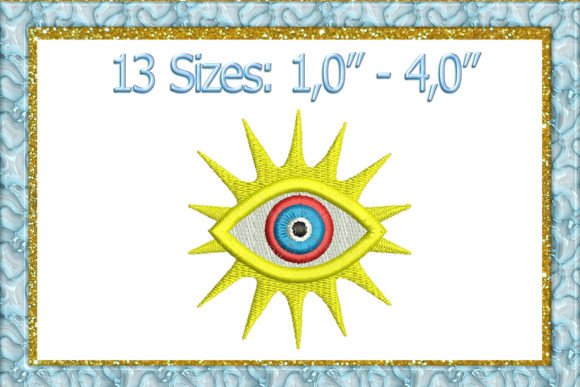
The All Seeing Eye Embroidery Design, often referred to as the Mystic eye or the Eye of God, has transcended its historical and symbolic roots to become a staple in modern machine embroidery. This intricate pattern captures attention not just for its geometric precision but for the depth of meaning it carries. Whether you are looking to add a touch of mystique to a denim jacket, create a meaningful gift for a loved one, or produce a high-volume line of spiritual merchandise, understanding the technical and creative nuances of this design is essential.
It is crucial to clarify that what you are acquiring is a digital file—a collection of instructions for your embroidery machine—not a physical patch or finished product. To bring this design to life, you need an embroidery machine capable of reading specific file formats, along with the appropriate software to transfer the design from your computer to the device. The versatility of this design lies in its adaptability across various industries and skill levels, making it a valuable asset for anyone involved in textile customization.
Technical Compatibility and File Formats
One of the primary considerations when purchasing an embroidery design is whether your machine can read it. The All Seeing Eye Embroidery Design provided here is packaged in a comprehensive set of nine industry-standard formats, ensuring broad compatibility. This eliminates the need for expensive conversion software and allows users to work seamlessly with their existing hardware.
- PES – Brother, Deco, Babylock: Ideal for owners of these popular home-use machines.
- DST – Tajima: The standard for industrial embroidery machines, perfect for commercial production.
- EXP – Melco: Compatible with Melco-based systems.
- HUS – Husqvarna, Viking: Ensures smooth stitching on Viking-brand machines.
- JEF – Janome, Elna, Kenmore: Supports a wide range of consumer-grade embroidery units.
- VP3 – Husqvarna, Viking: An alternative format for Viking users who may prefer this specific encoding.
- VIP ХХХ: Designed for VIP series machines.
- SEW – Janome, Elna, Kenmore: Another robust option for Janome-family devices.
This multi-format approach means that regardless of your machine’s brand or age, you likely have a compatible file ready to use. However, always verify your machine’s manual to ensure it supports the specific extension you intend to use. For beginners, starting with PES or JEF files is often recommended due to their widespread support in entry-level software suites.
Material Science: Stabilizers and Needles
A beautiful design can be ruined by poor technique or incorrect materials. The success of your All Seeing Eye Embroidery Design depends heavily on how you prepare your fabric. Unlike printed designs, embroidery adds texture and weight to the material. Without proper support, the fabric can pucker, shift, or tear, especially when dealing with fine details like the lines of the eye or the surrounding geometry.
For delicate fabrics such as T-shirts, jersey knits, or children’s overalls, stabilization is non-negotiable. The recommended approach involves a layered strategy:
- Back Support: Use a sticky (adhesive) stabilizer on the back of the fabric. This prevents the material from moving during the stitching process.
- Top Support: Apply a tear-away stabilizer on top, inside the fabric area. This provides temporary rigidity for the needle to pierce through cleanly.
- External Reinforcement: For fine fonts or intricate lines, consider using a flush-cut stabilizer on the outside of the fabric. This ensures that every stitch lands precisely where intended without distorting the knit structure.
Additionally, needle selection plays a critical role. Using a thinner gauge knitting needle helps prevent holes from appearing in stretchy fabrics. If you are working with heavier materials like canvas or denim, a standard sharp needle may suffice, but always test on a scrap piece first. The goal is to achieve high-quality stitching that looks professional and durable, preserving the integrity of both the design and the garment.
Why Different Audiences Care About This Design
The appeal of the All Seeing Eye Embroidery Design varies significantly depending on who is holding the hoop. It is not a one-size-fits-all solution; rather, it offers different value propositions to different groups.
Beginners and Hobbyists
For those new to embroidery, this design serves as an excellent learning tool. It typically features clean lines and distinct sections, which helps beginners understand how thread tension affects the final look. The aesthetic is striking enough to produce impressive results quickly, providing a sense of accomplishment. Hobbyists often use this design for personal projects, such as customizing hats, tote bags, or wall art. The key priority here is ease of use and visual impact. They are less concerned with industrial speed and more focused on the joy of creation and the unique personalization of their items.
Creative Professionals and Artists
Designers and artists view this motif through a lens of symbolism and composition. The "Eye" represents perception, protection, and wisdom. In their hands, the All Seeing Eye Embroidery Design becomes a statement piece. They might experiment with different thread colors—using metallics for a divine glow or dark shades for a gothic aesthetic. Their priority is creativity and presentation. They care about how the design interacts with the fabric’s texture and how it complements other elements in a larger collection. For them, the file is a canvas, and the choice of stabilizer and needle is part of the artistic process.
Small Business Owners and Entrepreneurs
For those running Etsy shops, print-on-demand businesses, or local boutiques, the All Seeing Eye Embroidery Design is a commercial asset. The demand for spiritual, mystical, and bohemian-themed apparel remains strong. Business owners evaluate this design based on its commercial value and reliability. They need files that stitch consistently across hundreds of units without errors. The availability of multiple formats (like DST for industrial machines) is a major selling point. They also prioritize cost-effectiveness; since this is a digital product, the overhead is low, allowing for healthy profit margins on customized goods. Speed and flexibility are paramount—they need to switch between different garment types quickly without re-engineering the design.
Educators and Trainers
Instructors teaching embroidery classes may use this design to demonstrate advanced techniques. Because the eye shape requires precise placement and often involves dense stitching areas, it is perfect for teaching students about hooping tension and thread management. Educators focus on the learning value of the design. They want to ensure that the file is clean and free of unnecessary jumps or trims that could confuse beginners. The ability to show students how to handle fine lines teaches patience and precision, skills that transfer to any future project.
Consumers and Gift Buyers
While consumers do not operate the machines, they drive the market. They seek products that feel special and meaningful. An embroidered All Seeing Eye on a hoodie or a journal cover feels more premium than a screen-printed version. Consumers care about quality and durability. They want the embroidery to withstand washing without cracking or fading. When evaluating a product featuring this design, they look for neatness, tight stitches, and a finish that feels integrated into the fabric rather than slapped on top.
Evaluating Your Needs
To determine if this All Seeing Eye Embroidery Design is right for you, ask yourself a few questions. Do you have the necessary equipment? If you only have a sewing machine without embroidery capabilities, this file will not work for you. Do you have the software to open the file? Most modern machines come with basic software, but dedicated editors offer more control over color changes and placement.
Consider your end goal. Are you making a one-off gift for a friend? Then a single format like PES or JEF is sufficient. Are you launching a clothing line? You will benefit from the full suite of formats, particularly DST, to ensure your designs run smoothly on high-speed industrial machines. Think about the fabric you plan to use. If you are working with tricky materials like silk or thin knits, invest time in practicing with stabilizers before committing to the final piece.
Ultimately, the All Seeing Eye Embroidery Design is more than just a pattern; it is a versatile tool that bridges the gap between tradition and modern customization. By understanding the technical requirements and the diverse ways it can be applied, you can make informed decisions that align with your skills, budget, and creative vision. Whether you are stitching for fun, for education, or for profit, this design offers a rewarding challenge and a stunning result.