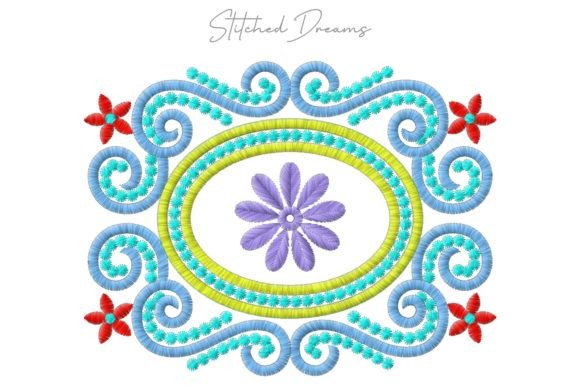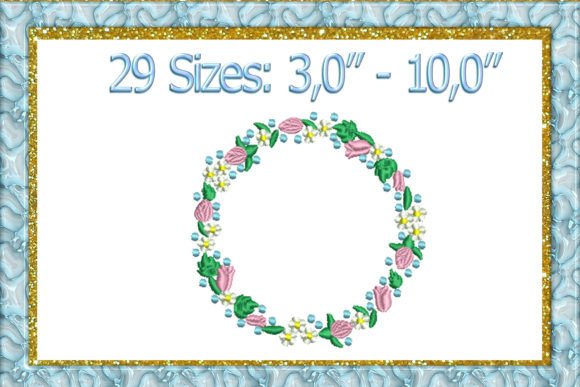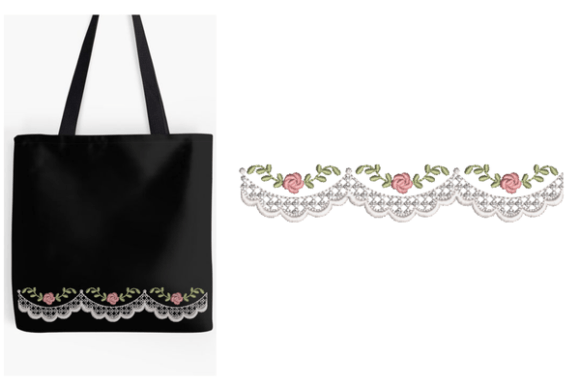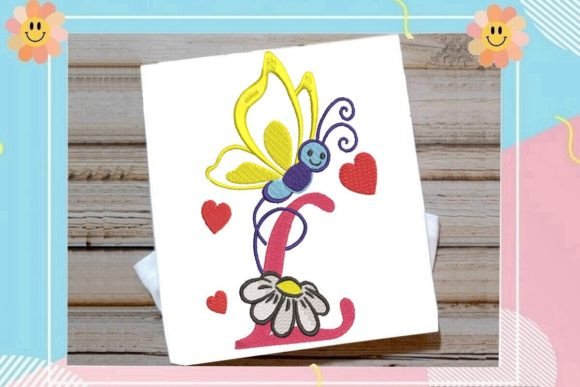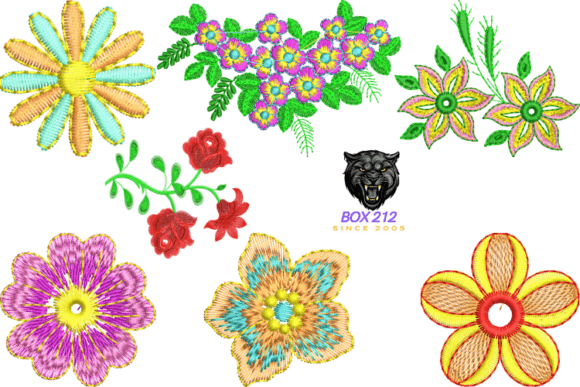
Collection of Creative Flower Designs: Elevating Embroidery Projects with Nature’s Artistry
In the realm of textile arts and personal customization, few elements capture the imagination quite like floral motifs. Flowers have long served as a universal symbol of beauty, growth, and elegance, making them a perennial favorite among crafters, fashion designers, and interior decorators. However, bringing these delicate natural forms into tangible reality requires more than just a needle and thread; it demands precision, artistic vision, and the right tools. This is where a curated Collection of Creative Flower Designs becomes an indispensable asset. By leveraging expertly digitized patterns, creators can transform simple fabrics into stunning works of art that reflect nature’s intricate beauty.
The integration of digital embroidery technology has revolutionized how we approach fabric decoration. No longer limited by the constraints of hand-stitching alone, modern artisans can now produce complex, multi-layered floral arrangements with consistent quality and professional finish. A high-quality collection offers more than just aesthetic appeal; it provides a versatile toolkit for professionals and hobbyists alike to explore new creative boundaries. Whether you are looking to add a touch of sophistication to a corporate uniform or create a unique gift for a loved one, understanding the potential of these designs is key to unlocking their full value.
The Evolution of Floral Embroidery in Modern Design
Floral embroidery is not a new concept, but its application has evolved significantly with technological advancements. Traditional methods often required extensive manual labor to achieve detailed petals and leaves, which could be time-consuming and prone to inconsistency. Today, the availability of a Collection of Creative Flower Designs allows for the replication of these traditional aesthetics with modern efficiency. These digitized files translate the organic curves and textures of flowers into stitch data that embroidery machines can interpret with remarkable accuracy.
This evolution bridges the gap between classical artistry and contemporary manufacturing. For instance, vintage-inspired rose bouquets can now be produced rapidly for home décor items, while minimalist daisy chains can be seamlessly integrated into fast-fashion accessories. The dynamic range of styles available—from realistic botanical illustrations to abstract geometric interpretations—ensures that there is a floral design suitable for every taste and project requirement. This versatility is what makes the collection such a powerful resource for anyone involved in textile creation.
Key Characteristics of Expertly Digitized Floral Patterns
Not all embroidery designs are created equal. The difference between a mediocre result and a masterpiece often lies in the quality of the digitization. A premium Collection of Creative Flower Designs is characterized by several critical technical attributes that ensure smooth stitching and durable results.
- Precision Stitch Mapping: High-quality designs utilize precise stitch mapping to mimic the natural flow of flower petals. This involves varying the direction and density of stitches to create depth and dimension, giving the final product a textured, almost three-dimensional appearance.
- Color Blending and Transitions: Flowers rarely consist of a single flat color. Expert digitization incorporates satin stitches and fill stitches that blend colors smoothly, allowing for gradients and shading that replicate the subtle hues found in nature.
- Underlay Stability: To prevent puckering and ensure the design stays in place, especially on stretchy fabrics like those used in clothing, proper underlay stitches are crucial. A well-digitized floral pattern includes robust underlays that stabilize the fabric before the decorative stitches are applied.
- Thread Count Optimization: Balancing detail with practicality is essential. Too many stitches can lead to bulky, stiff fabric, while too few may lack detail. Optimal collections strike a balance, ensuring that the designs are visually striking without compromising the drape or feel of the material.
These characteristics are particularly important when working with a diverse array of materials. From soft cottons to synthetic blends, the ability of the design to adapt to different fabric types ensures that the final output remains elegant and professional regardless of the medium.
Versatile Applications Across Industries
The true power of a Collection of Creative Flower Designs lies in its adaptability. These patterns are not confined to a single niche but span across various industries, each benefiting from the unique qualities of floral embroidery. Understanding these applications can help creators maximize the utility of their design libraries.
Fashion and Apparel
In the fashion industry, floral embroidery adds a layer of luxury and uniqueness to garments. Designers use these patterns to embellish dresses, blouses, and jackets, creating pieces that stand out in a crowded market. The elegance of a well-executed floral motif can elevate a basic t-shirt into a statement piece. Furthermore, because these designs are compatible with most embroidery machines, small-batch production becomes feasible, allowing independent designers to offer customized clothing lines without massive overhead costs.
Home Décor and Textiles
Home décor is another sector where floral designs thrive. Embroidered pillowcases, table runners, and wall hangings infused with nature’s artistry bring warmth and character to living spaces. A Collection of Creative Flower Designs allows homeowners and interior stylists to coordinate themes throughout a room, using matching floral patterns on curtains, cushions, and bedding. The durability of machine-embroidered flowers also makes them ideal for high-use items like kitchen towels and aprons, combining functionality with aesthetic pleasure.
Accessories and Gifts
Personalized gifts are a significant market for embroidery enthusiasts. Tote bags, hats, and journal covers adorned with creative floral patterns make thoughtful and lasting presents. The ability to customize colors and sizes within the collection means that creators can tailor designs to specific recipient preferences. For example, a bouquet of lavender might be chosen for a calming theme, while vibrant sunflowers could be selected for a cheerful, energetic vibe. This level of personalization adds emotional value to the physical product.
Corporate Branding and Merchandise
Businesses are increasingly turning to embroidery for branding purposes. Floral designs can soften the look of corporate merchandise, such as polo shirts, tote bags, and promotional notebooks. For companies in the wellness, lifestyle, or retail sectors, floral motifs align perfectly with brand identity. A cohesive Collection of Creative Flower Designs enables businesses to maintain a consistent visual language across all branded items, enhancing brand recognition and customer loyalty.
Practical Considerations for Creators
While the benefits of using a Collection of Creative Flower Designs are clear, successful implementation requires attention to practical details. Creators must consider factors such as fabric compatibility, machine settings, and post-processing care to ensure the best possible outcome.
Fabric Selection: The choice of fabric plays a pivotal role in how a floral design appears. Lighter fabrics may require stabilizers to prevent distortion, while heavier fabrics might need stronger needles and thicker threads. It is advisable to test designs on scrap pieces of the intended material before committing to the final project. This testing phase helps identify any necessary adjustments in tension or stitch density.
Machine Compatibility: Most modern embroidery machines can handle standard digitized files, but it is essential to verify that your machine supports the file format provided in the collection (such as PES, DST, or EXP). Additionally, having a machine with a larger embroidery area can accommodate more expansive floral arrangements, offering greater creative freedom.
Thread Quality: The quality of the embroidery thread directly impacts the vibrancy and longevity of the design. Using high-quality polyester or rayon threads ensures that the colors remain rich and do not fade easily after washing. When working with a Collection of Creative Flower Designs, selecting threads that complement the color palette of the patterns will enhance the overall visual impact.
Maximizing Creativity with Diverse Floral Motifs
To truly harness the potential of this collection, creators should experiment with mixing and matching different floral elements. Combining large, bold blooms with smaller, delicate accents can create a balanced composition that draws the eye. Layering techniques, where multiple floral designs are stitched over one another, can add depth and complexity to the artwork. For instance, placing a detailed rose center within a field of embroidered leaves creates a focal point that commands attention.
Moreover, integrating non-floral elements can further expand the creative possibilities. Pairing floral designs with monograms, borders, or geometric shapes can result in hybrid designs that are both modern and timeless. This approach is particularly effective in custom apparel, where a personalized name surrounded by a wreath of wildflowers can serve as a unique signature piece.
Conclusion
A Collection of Creative Flower Designs represents more than just a set of digital files; it is a gateway to endless creative expression. By providing expertly digitized, versatile, and beautiful patterns, this collection empowers individuals and businesses to bring nature’s artistry into their projects with ease and precision. Whether you are crafting a heartfelt gift, designing a fashion line, or enhancing your home environment, the flexibility and elegance of these floral motifs offer something for everyone. As technology continues to advance, the accessibility of high-quality embroidery designs will only grow, enabling more people to participate in the joy of creating beautiful, handmade-style textiles. Embracing these resources allows creators to focus less on the technical hurdles and more on the artistic vision, resulting in stunning, enduring creations that celebrate the timeless beauty of flowers.