Bracelet Retail Display Stand Laser Cut: Elevate Your Jewelry Presentation
When it comes to selling jewelry, the presentation is often just as critical as the product itself. A stunning bracelet or watch can lose its appeal if displayed on a flimsy, generic stand that fails to highlight its craftsmanship. This is where a Bracelet Retail Display Stand Laser Cut becomes an essential tool for serious sellers. Whether you are a boutique owner curating a high-end collection or a hobbyist preparing for your first craft fair, the right display solution can transform how customers perceive value.
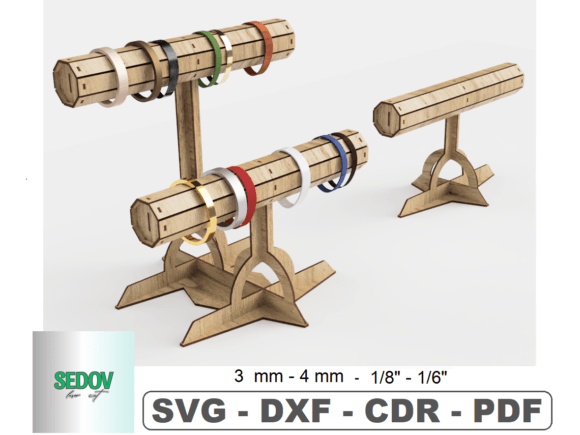
Introducing our precision-engineered laser cutting template, designed specifically to showcase bracelets and watches with elegance. This isn't just another plastic holder; it is a customizable, durable, and visually striking solution crafted with two distinctive design options. By choosing this template, you gain the flexibility to create displays that reflect your unique brand identity while ensuring your accessories are presented with sophistication. Let’s explore why this specific approach to retail display matters and how to avoid common pitfalls when setting up your jewelry station.
Why Precision Matters in Jewelry Displays
The term "laser cut" implies a level of accuracy that traditional die-cutting or hand-cutting simply cannot match. When you use a Bracelet Retail Display Stand Laser Cut template, you are investing in clean edges, consistent shapes, and structural integrity. For jewelry makers, this precision translates directly into professionalism. A jagged edge or an uneven curve on a display stand can subconsciously signal low quality to a potential buyer, regardless of how exquisite the jewelry actually is.
Our template addresses this by providing files compatible with major design software, including CDR, SVG, DXF, and PDF formats. This versatility ensures that whether you work with acrylic, wood, or thick cardstock, you can achieve a flawless result. The sleek design of these stands does more than just hold items; it frames them. By drawing the eye upward and keeping the focus on the sparkle of the stones or the shine of the metal, you create an immediate visual connection with the customer.
Understanding Material Thickness and Compatibility
One of the most frequent mistakes beginners make when creating DIY retail displays is ignoring material thickness specifications. A display stand that is too thin may warp under the weight of multiple bracelets, while one that is too thick might look bulky and unrefined. Our template is meticulously designed for materials with a thickness of 3 mm, 4 mm, and 1/6, 1/8 inch. Understanding these parameters is crucial for achieving the intended sturdy construction.
If you choose a material that deviates significantly from these recommendations without adjusting your design, you risk assembly issues. For instance, interlocking pieces meant for 3 mm material may not fit snugly if used with 4 mm stock, leading to wobbly structures. Conversely, using thinner material might result in loose joints that fail to support the display effectively. Always verify your material stock before cutting to ensure the final product is both stable and aesthetically pleasing.
Navigating Design Options for Maximum Impact
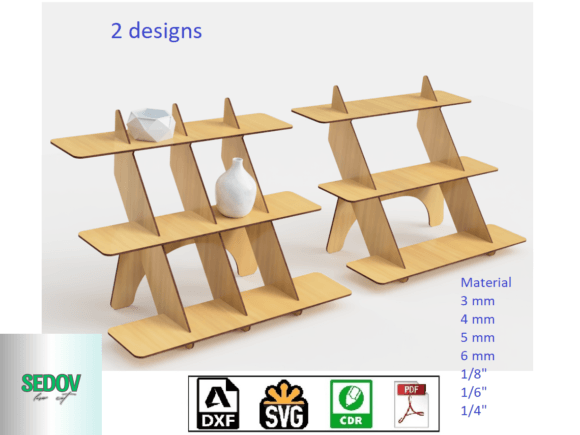
A key feature of this offering is the inclusion of dual design options. This allows you to tailor your display to the specific type of jewelry you are selling. One version might be optimized for delicate chains and bangles, featuring slender slots that prevent tangling, while the other could offer broader platforms suitable for chunkier statement pieces or watches.
Choosing the wrong design for your inventory is a common oversight. If you attempt to display heavy watches on a stand designed for lightweight bracelets, the structural stress may cause the stand to tip over, potentially damaging your merchandise. Take time to evaluate your primary products. Are they delicate and numerous, requiring individual slots? Or are they bold and singular, needing open space to breathe? Selecting the version that aligns with your inventory ensures that every piece gets the spotlight it deserves.
File Formats and Workflow Efficiency
Having access to multiple file formats—CDR, SVG, DXF, and PDF—is not just a convenience; it is a workflow necessity. Different laser cutting machines and vector editing software have varying preferences. For example, professional engravers often prefer DXF or CDR files for their compatibility with industrial hardware, while digital designers might find SVG more versatile for web-based mockups. Providing all four formats eliminates guesswork and reduces the time spent converting files, which can sometimes lead to data loss or scaling errors.
Ensure that whatever software you use opens these files correctly before purchasing or downloading. While most modern programs handle these standard formats well, checking compatibility beforehand prevents frustration during the production phase. Additionally, always inspect the vector paths in your chosen editor to confirm that lines are closed and curves are smooth, which contributes to a cleaner cut.
Practical Tips for Setup and Maintenance
Once you have cut your stands using the provided templates, proper assembly and maintenance will extend their lifespan and keep them looking pristine. Here are some practical steps to ensure your Bracelet Retail Display Stand Laser Cut remains a valuable asset:
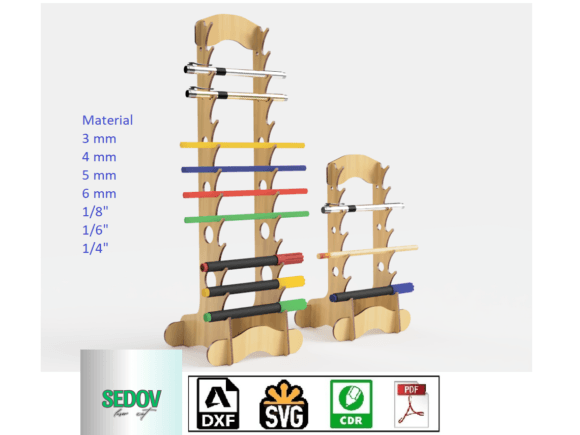
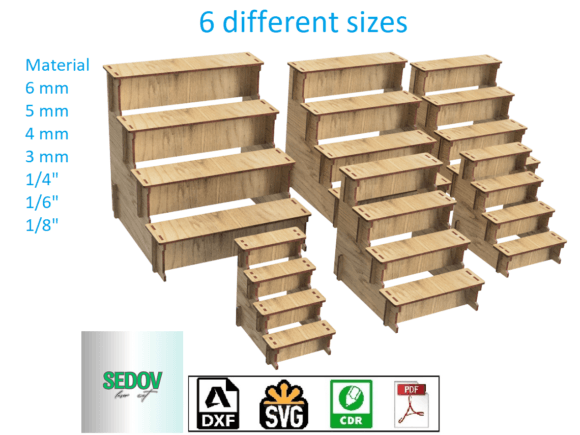
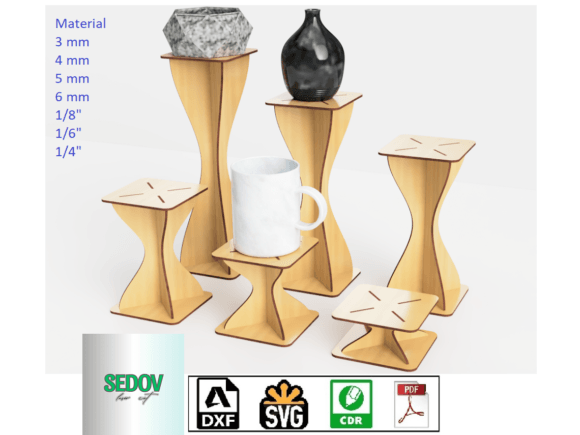
- Check the Sizes in the Photo: Before committing to a production run, carefully review the dimensional references provided in the product images. Misinterpreting scale can lead to stands that are too large for your table space or too small to accommodate popular jewelry sizes.
- Test with Scrap Material: Always perform a test cut on a scrap piece of your chosen material. This helps you adjust laser settings for power and speed, preventing burns on delicate materials like acrylic or incomplete cuts in thicker woods.
- Clean Regularly: Dust and oils from handling can dull the appearance of your displays. Use a soft, dry cloth to wipe down wooden or acrylic stands regularly. Avoid harsh chemicals that might cloud transparent materials or strip finishes from wood.
- Organize by Category: Group similar items together on your displays. This not only looks organized but also helps customers compare styles easily, potentially increasing sales through cross-selling opportunities.
Final Thoughts on Elevating Your Brand
In the competitive world of retail, details matter. A Bracelet Retail Display Stand Laser Cut is more than just a container; it is a marketing tool that communicates quality and care. By avoiding common mistakes related to material selection, design mismatch, and file preparation, you can create a seamless shopping experience that encourages purchases.
Whether you are showcasing handmade treasures or curated vintage finds, this template offers the perfect balance of functionality and style. It empowers you to present your creations with the confidence they deserve. Remember, the goal is not just to sell a product, but to create a memorable impression. With the right display, you give your jewelry the stage it needs to shine, turning casual browsers into loyal customers. Explore the dual design options, select your preferred material, and start transforming your retail presence today.