Integrating Moroccan Geometric Embroidery Delight 4 into Creative Workflows
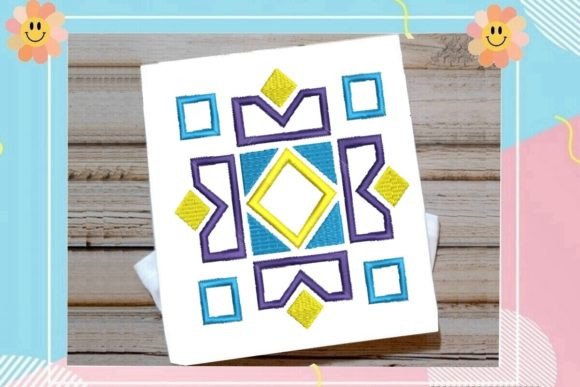
The intersection of traditional craftsmanship and modern digital production has created a unique space for creators who value both aesthetic depth and operational efficiency. For professionals, hobbyists, and small business owners alike, the ability to seamlessly integrate high-quality digital assets into physical products is a critical skill. One such asset that exemplifies this balance is Moroccan Geometric Embroidery Delight 4. This design draws its visual language from Zellige, the intricate mosaic art form native to Morocco, characterized by complex geometric shapes that form harmonious, repeating patterns.
Unlike generic clipart or simple vector graphics, machine embroidery designs require specific technical considerations regarding stitch density, fabric interaction, and file compatibility. Understanding how to implement Moroccan Geometric Embroidery Delight 4 effectively requires more than just loading a file into an embroidery machine; it demands a structured approach to preparation, execution, and quality control. This article explores how to integrate this design into various workflows, ensuring that the final output reflects the elegance and sophistication intended by the original artistic inspiration.
Understanding the Design Architecture
Before initiating any production run, it is essential to understand the structural integrity of the design itself. Moroccan Geometric Embroidery Delight 4 is not merely a decorative element; it is a calculated arrangement of stitches designed to mimic the precision of hand-carved tile work. The Zellige-inspired geometry relies on symmetry and repetition, which means that the underlying code must be robust enough to handle multiple directional changes without compromising fabric stability.
For entrepreneurs and product developers, recognizing these architectural nuances is vital. A design that looks beautiful in a digital preview may behave unpredictably on certain materials if the stitch paths are not optimized. This design is noted for its elegant balance, offering an exotic touch without overwhelming the base garment or decor item. However, achieving this balance requires careful selection of supporting resources, particularly stabilizers and threads, which will be discussed in the implementation phase.
File Format Compatibility and Digital Workflow
A significant advantage of Moroccan Geometric Embroidery Delight 4 is its availability in multiple file formats. In a professional workflow, file compatibility is often the first bottleneck. Different embroidery machines operate on proprietary software ecosystems, and designers must ensure their assets can traverse these boundaries without data loss or distortion.
- Universal Accessibility: The inclusion of multiple formats allows users across different hardware platforms—whether they are using domestic sewing machines or industrial multi-head units—to utilize the same high-quality asset.
- Software Integration: When integrating this design into a larger creative project, such as a custom apparel line, having versatile file formats ensures that the design can be scaled, rotated, or combined with other elements in digitizing software before being sent to the machine.
- Version Control: Maintaining the original source files alongside the converted machine-readable formats is a best practice for long-term projects. It allows for future adjustments if material specifications change or if new machine technologies emerge.
By prioritizing format versatility, creators can reduce friction in their production pipeline. This is particularly relevant for freelancers and publishers who may need to fulfill orders across diverse client equipment setups.
Pre-Production Preparation and Material Selection
The success of embroidering Moroccan Geometric Embroidery Delight 4 is heavily dependent on pre-production decisions. The geometric nature of the pattern means that tension consistency is paramount. If the thread tension varies, the sharp angles characteristic of Zellige patterns can distort, leading to a loss of visual clarity and a reduction in perceived quality.
Stabilizer Strategy
Selecting the correct stabilizer is a non-negotiable step in the workflow. Because geometric designs often involve dense stitching in specific areas, the fabric must be held taut and supported throughout the process.
- Assess Fabric Weight: Lightweight fabrics like silk or thin cotton blends require tear-away or cut-away stabilizers to prevent puckering. Heavier fabrics like denim or canvas may only require temporary spray adhesives or lighter stabilizers.
- Match Stabilizer to Use Case: For permanent decor items like cushion covers, a cut-away stabilizer is recommended to provide lasting support. For temporary embellishments on t-shirts, a tear-away option might suffice, provided the hoop tension is calibrated correctly.
- Test Runs: Always perform a test stitch on a scrap piece of the actual fabric being used. This step identifies potential issues with thread breakage, fabric shifting, or color bleeding before committing to the final product.
Thread and Color Coordination
The visual impact of Moroccan Geometric Embroidery Delight 4 is enhanced by thoughtful color selection. The design’s elegance comes from its contrast and definition. Using high-quality polyester or rayon threads ensures that the sheen and durability match the sophistication of the pattern. Monochromatic schemes can highlight the geometric structure, while contrasting colors can add vibrancy. For business owners creating branded merchandise, aligning thread colors with brand identity guidelines should be part of the standard operating procedure.
Execution and Quality Control
Once the preparatory steps are complete, the execution phase begins. This stage is where planning meets physical reality. Proper hooping technique is critical, especially for designs with large surface areas or intricate details.
Hoop Placement and Alignment
Centering the design within the hoop ensures even tension distribution. Misalignment can cause the embroidery arm to travel unevenly, potentially leading to skipped stitches or mechanical strain on the machine. For Moroccan Geometric Embroidery Delight 4, precise alignment ensures that the geometric symmetry remains intact relative to the edges of the garment or decor item.
Furthermore, checking the thread path before starting the machine prevents unnecessary waste and downtime. Ensuring that the upper and lower threads are properly threaded and that the bobbin is correctly seated reduces the risk of mid-project failures.
Monitoring During Production
While modern machines are highly reliable, active monitoring during the initial stages of stitching is a best practice. Observing the first few inches of the design allows the operator to verify that the stitch formation matches the digital preview. Any anomalies in thread tension or fabric movement can be addressed immediately, preventing the need to unpick hours of work later.
For teams managing multiple machines, establishing a checklist for each production run ensures consistency. This checklist should include verification of file version, stabilizer type, thread color, and hoop tightness. Such systematic approaches are essential for maintaining quality control in small businesses and freelance operations.
Post-Processing and Long-Term Value
The lifecycle of an embroidered product does not end when the machine stops. Post-processing steps contribute significantly to the final presentation and longevity of the item. Removing stabilizers carefully preserves the integrity of the fabric, especially around the delicate geometric edges. Trimming loose threads with precision tools enhances the professional finish.
Care and Maintenance Guidelines
Providing care instructions to end-users is part of the value proposition. While Moroccan Geometric Embroidery Delight 4 is durable, understanding how to maintain embroidered goods extends their lifespan. Advising customers to wash items inside out on gentle cycles and to avoid harsh abrasives helps preserve the thread’s sheen and the fabric’s shape.
For educators and bloggers discussing textile arts, emphasizing proper care reinforces the importance of quality craftsmanship. It shifts the narrative from a one-time purchase to a long-term appreciation of handmade or machine-made artistry.
Strategic Applications Across Industries
The versatility of Moroccan Geometric Embroidery Delight 4 allows it to fit into diverse workflows beyond traditional fashion design.
- Retail and E-commerce: Small business owners can use this design to create limited-edition collections. The exotic yet sophisticated aesthetic appeals to consumers looking for unique, culturally inspired home decor and apparel.
- Corporate Gifting: Professionals seeking premium gift options can leverage this design on high-quality polo shirts or tote bags. The geometric pattern conveys professionalism and attention to detail, making it suitable for corporate branding.
- Interior Design: Decor enthusiasts can apply the design to cushion covers, wall hangings, or table runners. The Zellige inspiration brings a sense of global elegance to interior spaces, bridging the gap between traditional art and modern living.
- Educational Workshops: Educators teaching machine embroidery can use this design to demonstrate advanced techniques such as satin stitching, fill patterns, and tension adjustment. Its complexity provides a comprehensive learning experience for students progressing beyond basic monograms.
Conclusion
Integrating Moroccan Geometric Embroidery Delight 4 into your creative or commercial workflow requires a blend of artistic appreciation and technical diligence. By understanding the design’s origins in Zellige art, selecting appropriate materials, and adhering to strict quality control measures, creators can produce results that are both visually stunning and structurally sound. Whether you are a seasoned entrepreneur expanding your product line, a freelancer fulfilling custom orders, or an educator demonstrating advanced techniques, this design offers a robust platform for excellence. Embracing the process-oriented approach outlined here ensures that every stitch contributes to a cohesive, professional, and enduring final product.