Maximizing Visual Impact with a Laser Cut Three-Level Stand Display for Portable Exhibitions
In the competitive landscape of trade shows, artisan markets, and traveling exhibitions, the way products are presented can be just as critical as the products themselves. A cluttered or static display often fails to capture the fleeting attention of passersby, leading to missed opportunities for engagement and sales. This is where strategic design meets practical utility. The Laser Cut Three-Level Stand Display emerges as a sophisticated solution that bridges the gap between aesthetic appeal and logistical convenience. By leveraging precision laser cutting technology, this multi-tiered structure offers creators, educators, and business owners a versatile platform to elevate their brand presence without the burden of heavy, permanent fixtures.
The modern exhibitor faces a unique set of challenges: transporting goods across long distances, setting up quickly in unfamiliar venues, and ensuring that displays look professional regardless of the environment. Traditional shelving units are often bulky, difficult to assemble, and prone to damage during transit. In contrast, a well-designed portable display system solves these pain points by combining structural integrity with modular simplicity. This article explores the functional benefits, material versatility, and creative applications of the three-level stand template, providing a comprehensive guide for those looking to optimize their exhibition strategy.
The Mechanics of Modular Assembly
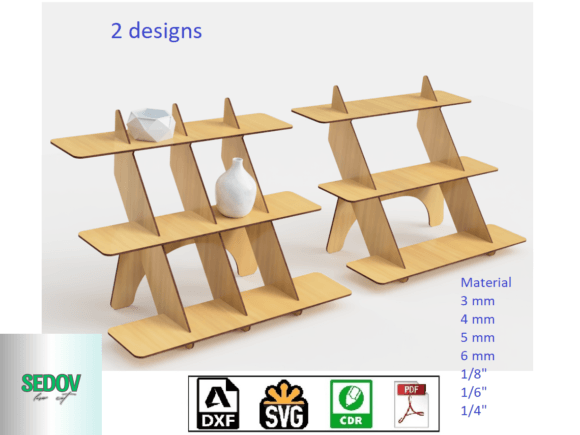
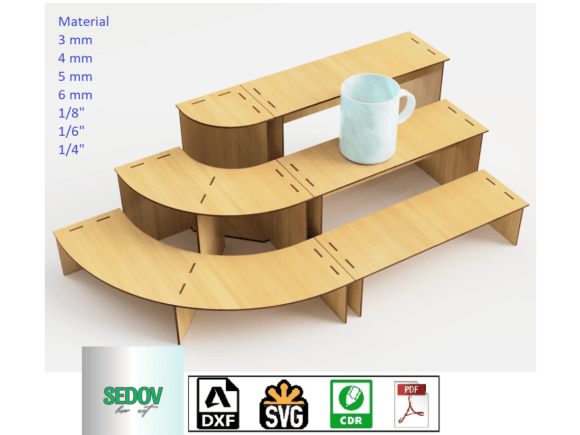
One of the most significant advantages of this particular display system is its construction method. Designed to be disassembled and assembled like a constructor, the stand relies on interlocking joints rather than complex hardware such as screws, bolts, or glue. This "flat-pack" philosophy ensures that the unit can be shipped in a compact form factor, significantly reducing storage space and shipping costs. For traveling exhibitions, where every kilogram matters, this efficiency is invaluable.
The assembly process is intuitive, allowing even first-time users to construct a sturdy framework in minutes. This ease of use translates directly into time savings at event venues, where setup windows are often strictly limited. Furthermore, because the components are flat when packed, they are less susceptible to impact damage compared to pre-assembled furniture. Whether you are navigating crowded convention centers or loading vehicles onto ferries, the robustness of the laser-cut joints ensures that your display arrives in perfect condition, ready for immediate deployment.
Material Versatility and Precision Engineering
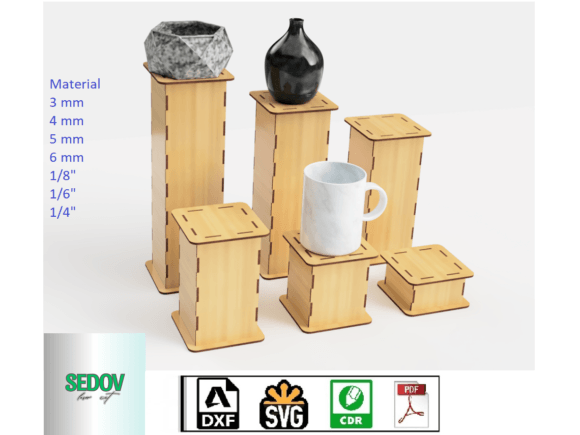
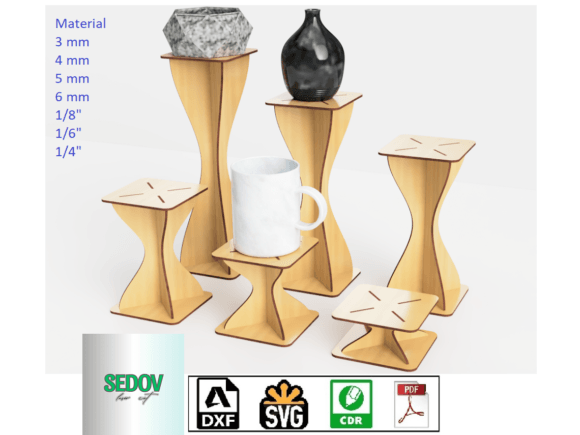
The core strength of a laser-cut template lies in its adaptability to various materials. This specific design accommodates a wide range of thicknesses, including 3 mm, 4 mm, 5 mm, and 6 mm boards. Additionally, it supports imperial measurements of 1/4 inch, 1/6 inch, and 1/8 inch. This flexibility allows users to select materials based on their budget, aesthetic preferences, and durability requirements.
- MDF (Medium Density Fiberboard): Ideal for painting and achieving a smooth, uniform finish. It is cost-effective and widely available, making it a popular choice for temporary retail displays.
- Plywood: Offers superior strength and a natural, organic aesthetic. Plywood stands are excellent for displaying handmade crafts, wooden goods, or eco-friendly products, adding warmth and texture to the booth.
- Acryllic or Acrylic-Alternatives: Thinner materials like 3 mm acrylic can create a modern, sleek look, particularly effective for jewelry, small electronics, or high-end cosmetics.
- Corrugated Cardboard: For short-term events or sustainable initiatives, thicker cardboard options can provide a lightweight, recyclable solution that still maintains structural rigidity.
The precision of the laser cutting ensures that each joint fits snugly, eliminating wobble and ensuring stability even when fully loaded. This mechanical precision is crucial for safety, particularly when displaying heavier items on upper tiers. The ability to choose from multiple file formats—SVG, DXF, CDR, and PDF—means that the template is compatible with almost any digital fabrication machine, from large-format CNC routers to desktop laser cutters.
Strategic Applications Across Industries
The multifunctional nature of the Laser Cut Three-Level Stand Display makes it suitable for a diverse array of use cases. Its three-tiered architecture naturally guides the viewer’s eye upward, creating a dynamic visual flow that encourages exploration. Here are several scenarios where this display shines:
Retail and Artisan Markets
For craft fair vendors and boutique shop owners, the stand serves as an excellent merchandising tool. Handmade ceramics, knitted textiles, or jewelry can be arranged across the three levels to create depth and variety. The open design prevents items from feeling hidden, while the tiered structure allows for price differentiation or thematic grouping. For instance, a potter might place larger vases on the bottom tier for stability, medium-sized bowls on the middle tier, and delicate cups on the top tier, creating a visually balanced composition.
Educational and Museum Exhibits
Educators and museum curators often need to present information alongside physical artifacts. This stand provides a clean, unobtrusive base for displaying models, scientific specimens, or historical replicas. Because the design is minimalist, it does not distract from the exhibits themselves. Teachers can use the different levels to show progression, such as the stages of plant growth or the evolution of a technological device. The ability to paint the finished product in any color allows institutions to match their branding or educational themes precisely.
Corporate and Tech Showcases
In corporate settings, the stand can be used to highlight product lineups or promotional materials. Technology startups often use such displays to showcase prototypes, apps on tablets, or branded merchandise. The sleek lines of a laser-cut design convey professionalism and innovation. When crafted from dark-stained wood or painted in a corporate brand color, the stand becomes a seamless extension of the company’s identity, reinforcing brand recognition among attendees.
Design Considerations for Optimal Performance
While the Laser Cut Three-Level Stand Display is inherently versatile, achieving the best results requires thoughtful consideration of weight distribution and environmental factors. Understanding these dynamics ensures longevity and safety.
Weight Distribution and Stability
The height of the stand is specified at 210 mm (approximately 8.2 inches). While this may seem modest, the proportions are engineered for optimal balance. However, users must adhere to basic physics principles when loading the stand. Heavier items should always be placed on the bottom tier to lower the center of gravity and prevent tipping. Lighter, decorative items can be placed on the upper tiers to draw attention. If using thinner materials like 3 mm board for very heavy loads, reinforcing the joints or opting for a thicker material is advisable.
Customization and Branding
One of the standout features of this template is the option to paint the finished product in any color. This customization capability allows businesses to maintain strict brand consistency. Whether you prefer matte black for a luxury feel, bright white for a clinical or modern look, or vibrant colors to attract children, the surface can be treated to suit your needs. Additionally, the smooth edges provided by laser cutting make painting easier, as there are no rough splinters to interfere with the finish.
Digital File Compatibility
The inclusion of multiple file formats (SVG, DXF, CDR, PDF) ensures that the template is accessible to a broad range of users. SVG files are ideal for vector-based editing and laser cutting software, allowing for precise adjustments if needed. DXF and CDR files cater to users of AutoCAD and CorelDRAW, respectively, offering flexibility for professional designers who wish to modify the dimensions or add custom engravings. The PDF format serves as a reliable reference for printing or manual cutting if digital fabrication tools are unavailable.
Conclusion
The Laser Cut Three-Level Stand Display represents a convergence of smart design, material science, and practical utility. It addresses the common frustrations of exhibition logistics—transportation, assembly, and aesthetics—by offering a solution that is both elegant and efficient. Whether you are a hobbyist showcasing handmade creations, a professional presenting new products, or an educator displaying learning materials, this stand provides a reliable canvas for your work.
By leveraging the precision of laser cutting and the flexibility of modular assembly, exhibitors can focus on what truly matters: connecting with their audience. The ability to customize materials, colors, and configurations ensures that no two displays need look alike, fostering creativity and individuality in every presentation. As the market for portable and sustainable display solutions continues to grow, investing in a high-quality, versatile template like this one proves to be a strategic move for anyone serious about making a lasting impression.