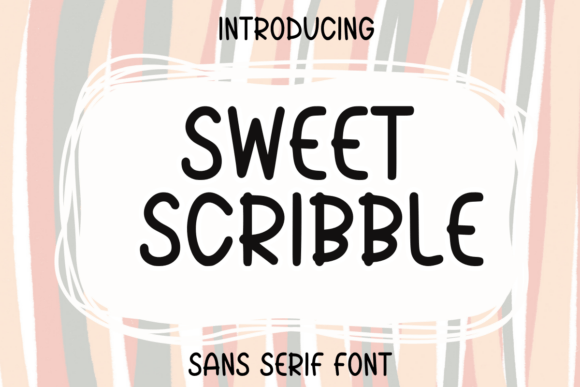
Sweet Scribble: Why This Fun Sans-Serif Font Might Be the Missing Piece in Your Creative Projects
If you are scrolling through font libraries looking for that perfect balance between professionalism and playfulness, you have likely encountered Sweet Scribble. It is a fun sans-serif typeface that has been gaining traction among designers, small business owners, and hobbyists alike. But before you download it and start slapping it on every design asset you create, there are nuances to consider. Choosing the right typography is not just about aesthetics; it is about communication, legibility, and brand consistency. Many creators make the mistake of selecting fonts based solely on their "vibe" without considering how they function across different mediums. This guide will help you understand what Sweet Scribble is, where it shines, and—more importantly—where it might fall short if used incorrectly.
Understanding the Appeal of Sweet Scribble
At its core, Sweet Scribble is designed to evoke a sense of approachability and casual elegance. As a sans-serif font, it lacks the decorative feet (serifs) found in traditional types like Times New Roman or Georgia, giving it a clean, modern look. However, unlike stark, geometric sans-serifs that can feel cold or corporate, Sweet Scribble introduces subtle curves and a handwritten quality that feels personal. This makes it particularly suitable for projects that require a human touch.
Creators often gravitate toward this font for memos, journals, and notes because it mimics the natural flow of handwriting without sacrificing readability. For interior KDP (Kindle Direct Publishing) products like planners and scrapbooks, this balance is crucial. You want the text to be easy to read over long periods but also visually engaging enough to keep the user interested. When used correctly, Sweet Scribble adds a layer of warmth that standard block letters simply cannot achieve.
Ideal Use Cases for Sweet Scribble
While versatility is a selling point, some applications are more effective than others. Here are areas where Sweet Scribble truly excels:
- Cards and Invitations: Whether for birthdays, weddings, or casual gatherings, the font’s friendly nature sets a welcoming tone immediately.
- Holiday-Themed Designs: From Christmas cards to Halloween flyers, Sweet Scribble adap well to seasonal themes. Its playful edge fits perfectly with festive, non-formal celebrations.
- Seasonal Marketing: For fall-themed promotions or Thanksgiving gratitude lists, the font’s organic feel complements autumnal imagery beautifully.
- Personal Branding: Freelancers and educators can use it for quotes, social media graphics, and t-shirt designs to appear more relatable and less corporate.
- Specialty Prints: Laser cut projects, tumbler wraps, and mini calendars benefit from the font’s clear lines and distinct character shapes.
Common Mistakes When Using Sweet Scribble
Even the best fonts can fail if misused. One of the most frequent errors creators make is assuming that "fun" means "unlimited application." While Sweet Scribble is versatile, it is not a universal solution. Understanding its limitations will save you time, money, and frustration.
Overuse in Long-Form Text
A significant misunderstanding among beginners is using display or script-inspired sans-serifs for body text. Sweet Scribble, despite its clean structure, has stylistic elements that can cause eye strain when read in large paragraphs. If you are designing a blog post, an e-book, or a detailed memo, relying on Sweet Scribble for the main content will reduce readability. The result? Readers may skim or abandon your content because their eyes tire quickly.
The Fix: Use Sweet Scribble for headlines, pull quotes, or section dividers. Pair it with a highly legible serif or neutral sans-serif for body copy. This contrast creates visual hierarchy and ensures your message is consumed easily.
Inconsistent Scaling and Spacing
Another overlooked detail is kerning and tracking. Because Sweet Scribble has a slightly irregular, hand-drawn aesthetic, scaling it down too small can make characters bleed into each other, ruining the "scribble" effect and turning it into a blur. Conversely, scaling it up too much without adjusting spacing can make the text look disjointed and amateurish.
This mistake affects the perceived quality of your work. A poorly spaced headline looks unprofessional, regardless of how good the font itself is. Always preview your design at actual size before finalizing prints for items like t-shirts, laser-cut signs, or tumbler wraps. What looks balanced on a screen may look cramped in physical production.
Mismatching Tone with Industry
Not every brand needs to be "fun." If you are a financial advisor, a legal firm, or a medical practice, Sweet Scribble might undermine your authority. While creativity is valuable, context matters. Using a playful font for serious topics can confuse your audience about your expertise and reliability.
The Fix: Evaluate your target audience. Are they looking for entertainment, personal connection, or serious information? For sectors like tarot reading, zodiac signs, or creative workshops, Sweet Scribble is an excellent fit. For formal business communications, stick to more traditional typefaces.
Evaluating Licensing and Commercial Rights
Before you start printing your custom planners or selling designs on Etsy, you must address licensing. A common pitfall is assuming that a free download allows for unlimited commercial use. Fonts are intellectual property, and misuse can lead to costly legal issues.
Always check the specific license agreement provided by the creator of Sweet Scribble. Some licenses allow for personal use only, while others permit commercial use with attribution. Others may offer a premium license for broader rights. Ignoring these details can jeopardize your small business or freelance career.
- Check the License Type: Is it Personal, Commercial, or Extended?
- Verify Usage Limits: Can you use it on merchandise for sale? How many units?
- Resell Rights: Can you include the font file in a product you sell? Usually, the answer is no.
Best Practices for Integration
To get the most out of Sweet Scribble, treat it as a partner rather than the sole star of your design. Here are practical steps to ensure success:
- Pair Thoughtfully: Combine Sweet Scribble with complementary fonts. A simple, clean sans-serif or a classic serif can ground the playfulness of Sweet Scribble, creating a balanced composition.
- Test on Mockups: Before committing to full production, view your design on realistic mockups. See how the font looks on a tumbler wrap, a greeting card, or a website header. This helps identify legibility issues early.
- Consider Color Contrast: Ensure sufficient contrast between the text and background. The subtle curves of Sweet Scribble can disappear against busy backgrounds or low-contrast colors.
- Use for Emphasis: Reserve the font for key messages. Let it highlight titles, names, or special offers rather than carrying the entire design load.
Conclusion
Sweet Scribble is a powerful tool in the designer’s arsenal, offering a blend of modern simplicity and handwritten charm. It is ideal for a wide range of creative projects, from holiday cards to professional planners. However, its effectiveness depends on thoughtful application. By avoiding common mistakes like overuse in body text, ignoring licensing, and mismatching tone, you can leverage this font to enhance your projects’ appeal and functionality.
Remember, typography is communication. Choose Sweet Scribble when you want to convey friendliness, creativity, and approachability. Use it wisely, pair it well, and respect its licensing terms. Doing so will ensure that your designs not only look good but also resonate with your audience and stand the test of time. Whether you are a seasoned pro or just starting out, mastering the art of font selection will elevate your work from good to great.