Transforming Nurseries with Precision: The Ultimate Guide to Laser Cut Baby Room Wall Decor SVG
The nursery is often the first space in a home that is meticulously planned, serving as a sanctuary for both infant and parent. In recent years, the trend has shifted away from mass-produced, generic decor toward personalized, handmade elements that reflect individual style and sentiment. At the heart of this movement is digital fabrication technology, specifically the use of vector graphics for cutting machines. Among the most popular applications is the Laser Cut Baby Room Wall Decor SVG. This digital asset allows creators to produce intricate, whimsical, and highly customized wall art that adds a layer of sophistication and warmth to any baby’s room.
Understanding how to leverage these digital files goes beyond simple crafting; it involves a grasp of design principles, material science, and interior styling. Whether you are a seasoned woodworker, a paper craft enthusiast, or a small business owner looking to expand your product line, mastering the application of laser cut designs offers significant creative and commercial rewards. This article explores the versatility, technical advantages, and aesthetic potential of using SVG files for nursery decoration.
The Anatomy of a Digital Cutting File
Before diving into the creative possibilities, it is essential to understand what makes an SVG file unique compared to other image formats. Unlike raster images (such as JPEGs or PNGs) which are made of pixels, Scalable Vector Graphics (SVG) are composed of mathematical paths. This distinction is critical for laser cutting because it ensures that lines remain crisp and precise regardless of scale. When you purchase or download a Laser Cut Baby Room Wall Decor SVG, you are acquiring a blueprint that can be resized without losing quality, allowing a small decal to become a large mural with equal fidelity.
- Vector Precision: The mathematical definition of shapes allows for infinitely sharp edges, which is vital for the delicate details often found in nursery themes like animals, clouds, or stars.
- Layer Management: High-quality SVG files often include organized layers, enabling users to separate different elements of the design for multi-material projects or color blocking.
- Compatibility: These files are universally compatible with major cutting software such as Silhouette Studio, Cricut Design Space, and Adobe Illustrator, ensuring a smooth workflow from screen to material.
Material Selection and Textural Contrast
The visual impact of laser cut decor is heavily dependent on the materials chosen. The beauty of using a Laser Cut Baby Room Wall Decor SVG lies in its adaptability to various substrates. Creators can experiment with textures and finishes to achieve specific moods within the nursery.
Natural Wood and Plywood
Wood remains the gold standard for laser cut nursery decor. Birch plywood, basswood, and MDF (Medium Density Fiberboard) are popular choices due to their smooth surfaces and ease of cutting. A light-colored birch wood can offer a modern, Scandinavian aesthetic, while stained oak or walnut provides a warmer, more traditional feel. The natural grain of the wood interacts beautifully with the negative space created by the laser cuts, adding depth and organic character to the piece.
Vinyl and Felt
For a softer approach, thick vinyl or wool felt can be used. These materials are ideal for creating layered wall hangings where different colors overlap to create a 3D effect. Vinyl is particularly durable and easy to clean, making it suitable for high-traffic areas or rooms that double as play spaces. Felt, on the other hand, offers excellent sound-dampening properties, contributing to a quieter environment for naps.
Metallic Foils and Acrylics
To add a touch of glamour, metallic acrylic sheets or gold/silver foils can be incorporated. While acrylic requires specific laser settings to prevent melting or discoloration, the result is a sleek, contemporary look that reflects light beautifully. Metallic foils, when applied over a cut backing, can create stunning monochromatic pieces that serve as focal points above the crib or changing table.
Design Themes and Aesthetic Trends
The market for baby room decor is diverse, ranging from minimalist geometric patterns to elaborate storybook scenes. A well-designed Laser Cut Baby Room Wall Decor SVG can cater to any of these styles. Understanding current trends helps creators produce items that resonate with modern parents.
- Minimalist Monograms: Clean lines and simple typography are timeless. Custom name plates featuring the baby’s initials surrounded by subtle motifs like moons or stars are perennial favorites. These pieces are often mounted directly onto the wall, acting as both decoration and identification.
- Botanical and Forest Themes: Intricate leaf patterns, woodland creatures, and tree silhouettes bring nature indoors. These designs work exceptionally well in larger formats, covering entire walls or framing windows. The interplay of light and shadow through dense foliage patterns creates a calming, immersive atmosphere.
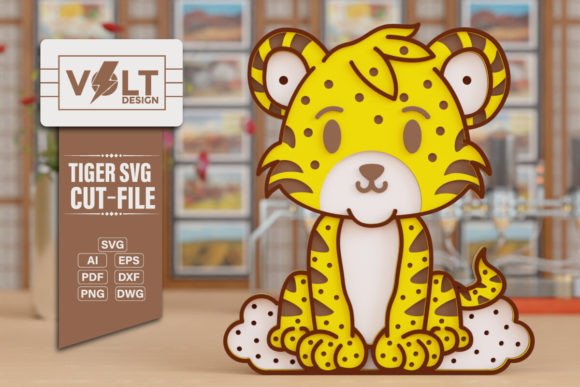
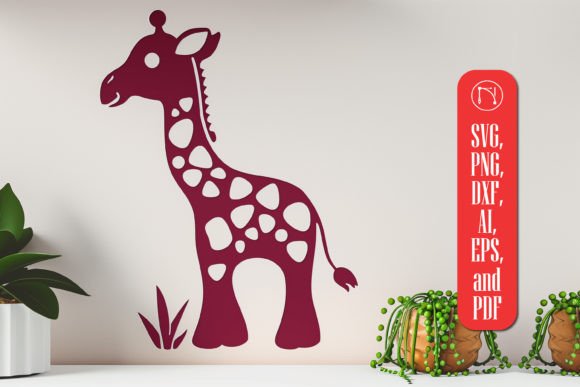
- Whimsical Characters: For a more playful vibe, SVGs featuring elephants, bears, or birds in flight add personality. These designs often benefit from being painted in pastel hues or left in natural tones to maintain a soothing palette.
- Geometric Abstraction: Modern nurseries often embrace abstract shapes and asymmetrical layouts. Using SVG files allows for precise replication of complex geometric patterns that would be difficult to achieve by hand, resulting in a sophisticated, gallery-like appearance.
Technical Considerations for Successful Execution
While the digital file provides the design, the physical execution requires attention to detail. Several factors influence the final quality of a laser cut project.
Machine Calibration and Settings
Different materials require different laser power and speed settings. For instance, thin plywood may need lower power to avoid burning, while thicker MDF might require higher power and slower speeds. It is crucial to perform test cuts on scrap material to determine the optimal settings. Additionally, focusing the laser lens correctly ensures that the beam is concentrated at the correct point, resulting in cleaner edges and less charring.
Kerf Compensation
In assembly-based projects where multiple pieces fit together, the width of the laser cut (known as kerf) must be accounted for. If precision fitting is required, designers may need to adjust the dimensions of the SVG file slightly to compensate for the material removed by the laser. This step is particularly important for interactive toys or modular wall systems.
Post-Processing Techniques
Once the cutting is complete, post-processing enhances the final product. Sanding wooden pieces removes rough edges and prepares the surface for painting or staining. For metal or acrylic, polishing compounds can restore clarity and shine. Applying a clear coat or sealant protects the decor from humidity and wear, extending its lifespan in a child’s room.
Commercial Applications and Gifting Potential
The demand for personalized nursery items presents a lucrative opportunity for entrepreneurs. A Laser Cut Baby Room Wall Decor SVG serves as a versatile base for a wide range of products. Small businesses can offer customization services, allowing customers to input names, dates, or specific color preferences. This level of personalization commands a premium price point and fosters customer loyalty.
Beyond sales, these designs are perfect for meaningful gifts. Handmade laser cut pieces carry emotional weight, symbolizing care and effort. They are ideal for baby showers, christenings, or milestones. By offering a variety of file formats including DXF, AI, EPS, and PDF, creators ensure that their products are accessible to a broad audience, regardless of the recipient’s equipment or software proficiency.
Safety and Durability Standards
When decorating a space for an infant, safety is paramount. All materials used must be non-toxic and free from harmful chemicals. Water-based paints and stains are recommended over oil-based alternatives to minimize off-gassing. Additionally, any wall-mounted decor must be securely anchored using appropriate hardware. For younger babies, consider placing decor out of reach or using lightweight materials that pose minimal risk if they were to detach. Regular inspection of the decor for loose parts or splinters is also advisable as the child grows and becomes more mobile.
Conclusion
The integration of digital design with physical craftsmanship has revolutionized the way we approach home decor, particularly in the nursery sector. The Laser Cut Baby Room Wall Decor SVG represents more than just a file; it is a gateway to creativity, allowing for the production of bespoke, high-quality items that enhance the emotional and aesthetic value of a child’s space. By understanding the technical nuances, material options, and design trends, creators can produce work that stands out in a crowded market. Whether for personal enjoyment or commercial venture, the possibilities offered by laser cutting technology are limited only by imagination. As parents continue to seek unique and heartfelt ways to celebrate new life, the role of precision digital art in interior design will undoubtedly continue to grow.